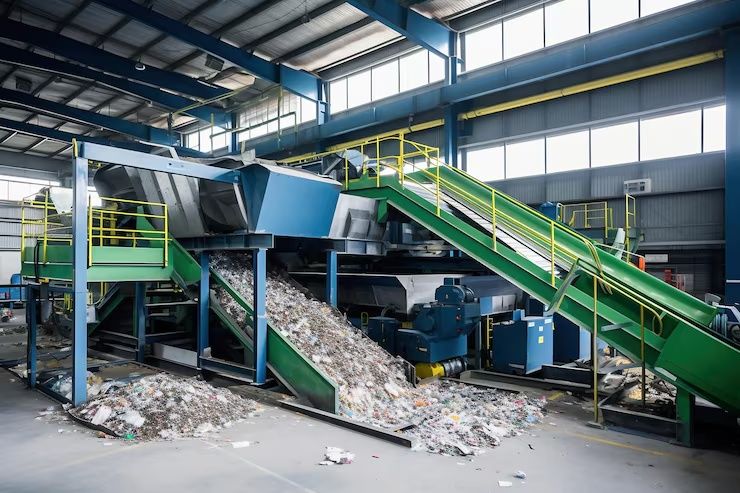
Recycling machines are specialised system designed to system waste substances and convert them into reusable forms. They play a primary function in present day waste management, supporting industries and communities lessen landfill waste and conserve natural sources. These machines vary extensively, starting from plastic shredders and balers to advanced e-waste recyclers and metal restoration structures.
The idea exists to close the loop in the circular financial system, making sure that treasured uncooked materials are reused rather than being discarded. By using recycling machines, societies can lessen dependency on uncooked material extraction, decrease greenhouse fuel emissions, and aid sustainable commercial growth.
Importance
The recycling machine means more than ever before due to increasing concern about climate change, urban waste and lack of resources. Their significance can be seen in many areas:
Environmental protection:
Land file reduces waste and pollution.
Resources Recovery:
Removal metal, plastic and paper from waste streams.
Energy efficiency:
For example, recycling aluminum uses 95% less energy than the production of new aluminum.
Economic development:
Recruitment makes price chains through recycled materials and supports green jobs.
Compliance with global stability goals:
Countries help meet climate and waste management goals.
Industries such as production, packaging, motor vehicles and construction are very dependent on recycling machines to meet environmental rules and improve efficiency.
Recent Updates
Last year, remarkable progress in recycling technologies and industry practice:
AI and robotics integration (2023–2024):
Smart sorting systems now use artificial intelligence and sensors to more efficiently identify and separate materials.
Increase of recycling of e-waste:
With an increase in the consumption of electronics, special recycling machines for battery, circuit boards and rare soil metals were prominent.
Innovation of plastic recovery:
Chemical recycling processes expanded, so that the plastic could be broken to the molecular level for reuse.
Global Investment:
In 2024, many countries in Europe and Asia increased the funds to recycle infrastructure as part of its carbonutrality goals.
Decentralized recycling system:
Small, modular recycling machines are distributed at the social level to reduce transport emissions.
This development shows strong pressure on development efficiency, stability and technological innovation.
Laws or Policies
Recycling machines work within strict regulations to ensure environmental and industrial compliance. Large guidelines include:
Expanded Producer Responsibility (EPR):
Manufacturers are responsible for recycling their products, especially electronics and plastic.
Instructions for electronic waste and electronic equipment (WEEE) in the EU provide the correct recycling and treatment of electronic waste.
Regulations of plastic waste:
Many countries have banned disposable plastic and need companies to use recycling solutions.
Guidelines for Environmental Protection Agency (EPA) in the United States:
Provide the process for processing and recycling equipment.
Obligations of carbonneutrality:
Nation-zero politics adopts nation encourages the use of recycling machines to meet the dimensions of reduction in emissions.
These guidelines shape how to develop and implement recycling techniques worldwide.
Tools and resources
To support recycling operations and awareness, different equipment and resources are available:
Recycling equipment software:
Platforms that track the machine's performance, energy use and waste production.
Carbon footprint calculator:
Help to estimate the environmental impact of recycling processes.
Recycling Database Website:
Directors that provide information on recycling, content and treatment guidelines.
Mobile apps for recycling awareness:
Local recycling functions and equipment on approved material IRecycle and Recycle Coach Guide users.
International Organization:
The Global Recycling Foundation and Bureau of International Recycling (BOB) provide reports, data and educational materials.
| Machine Type | Function | Common Materials Processed |
|---|---|---|
| Shredders | Break down waste into smaller pieces | Plastics, metals, wood |
| Balers | Compress recyclables into compact bales | Paper, cardboard, plastics |
| Granulators | Reduce materials into granules for reuse | Plastics, rubber |
| E-waste recyclers | Extract metals and components | Electronics, batteries |
| Optical sorters | Use AI and sensors for material sorting | Mixed recyclables |
FAQs
What is the cause of recycling machines?
Recycling machines are designed to convert the waste into reusable materials, support landfill waste and support the conservation of resources.
Which industries use recycling equipment?
Production, packaging, cars, production and electronics industry materials are closely dependent on the recycling machinery for treatment.
Are recycling machines green?
Yes, the maximum environmental impact is designed to reduce the maximum emissions, to have power and prevent waste accumulation.
How has ERA changed the recycling machinery?
Progress as AI elements-based sorting, chemical recycling and robotics have made recycling machines extra green and special.
Can recycling machines handle risky waste?
There are specific recycling machines for hazardous waste such as batteries, clinical things and electronics, which ensure safe treatment.
conclusion
Recycling machines are the cornerstone of permanent waste management and resource recovery. They enable businesses and communities to reduce environmental footprints, follow rules and contribute to the circular economy.
With rapid progress in technology, such as AI-based sorting and chemical recycling, the efficiency of these machines increases. Supported by raising awareness of strict laws, global politics and stability, recycling machines will remain an essential part of achieving the environment and economic goals.
By understanding their functions, importance and available resources, industry and decision makers can make informed decisions that benefit both planets and future generations.